
































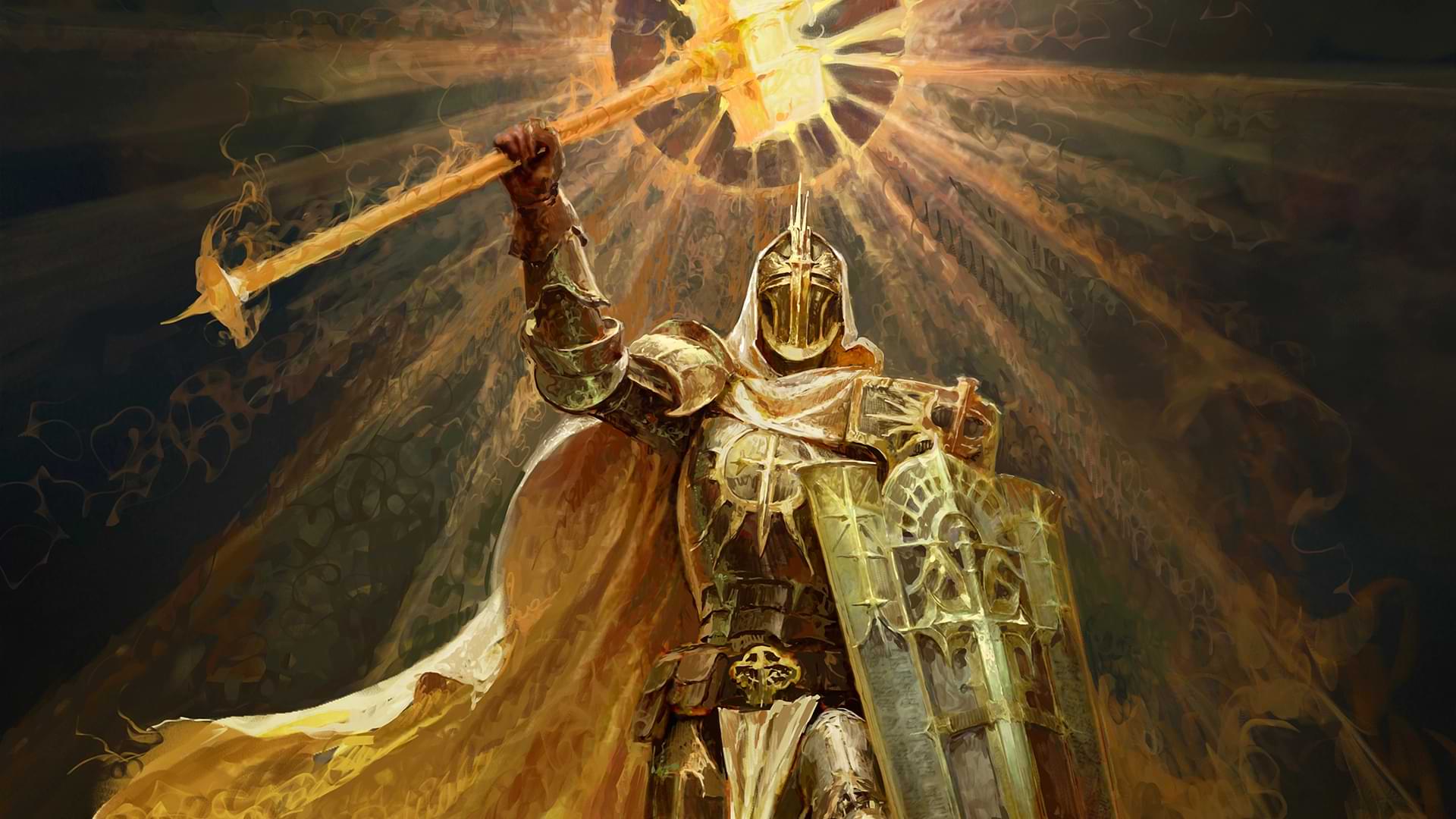

If your love for Diablo 4 fell off due to the frustration of RNG-dependent stat upgrades, an unrewarding endgame loop or the absence of a certain armored holy warrior, there’s good news. Season 11, the Season of Divine Intervention isn’t just another garden variety season update – it’s a major quality-of-life overhaul that fixes some of the game’s most frustrating systems, adds meaningful progression and challenges to the endgame, and, of course, brings back the beloved Paladin.
Read on to find out why Season 11 is the perfect time to jump back into Diablo 4.
Paladins are back

“This blade shall pierce the heart of evil!”
While I’ve had a great deal of fun with the classes available in Diablo 4 since its launch, including the Spiritborn, which initially didn’t appeal to me but ultimately surprised me as a Diablo 3 Monk wrapped in a fun Mesoamerican jungle aesthetic – there just felt like there was something missing when vanquishing the forces of evil in Diablo 4. In a game centered around carving through demonic hordes and confronting the Lords of Hell, the absence of a true holy warrior made the crusade against evil feel kind of… incomplete.
Which is why it’s so good to have the Paladin back in Season 11 of Diablo 4. Ever since the glory days of hurling blessed hammers in Diablo 2 and later through its spiritual successor, the Crusader, in Diablo 3, the Paladin has embodied the perfect counterpoint both aesthetically and ideologically to Hell itself. Either Blizzard finally recognized this glaring void or simply gave in to overwhelming fan demand, because the Paladin is back. The class becomes playable in Season 11 for those who pre-order the upcoming Lord of Hatred expansion, set to release on April 28, 2026.
I’ll admit my bias: the Paladin has always been my favorite class. There’s something undeniably satisfying about a gleaming, golden-armored holy warrior wielding sword and shield, channeling divine energy to smite evil. It perfectly fulfills the power fantasy at the heart of Diablo. In Diablo 4, that fantasy is stronger than ever. Every Paladin build feels powerful, distinct, and best of all, visually spectacular – especially when fully powered up, sacred tendril angel wings unfurling from your back, looking like Tyrael, the angel of justice himself. Even the sound designers cooked. Blessed Hammer has the same, satisfying dinging sound as it did in Diablo 2 and ultimate moves like Arbiter of Justice where you soar into the air like Imperius and come crashing down on the opponents sounds like a celestial-powered jet plane taking off and then crash-landing.
Even the sound designers were cooking. Take Fallen Star: you rocket skyward on angelic wings before slamming back down onto your enemies, and it sounds like some celestial-powered jet engine roaring into takeoff followed by a devastating crash landing. Blessed Hammer is just as satisfying, retaining the iconic metallic ding that longtime fans will instantly recognize from Diablo II. It’s a small detail, but one that perfectly taps into nostalgia and still feels every bit as powerful as it did back in the day.
The Light Answers.
Tempering items has been drastically improved
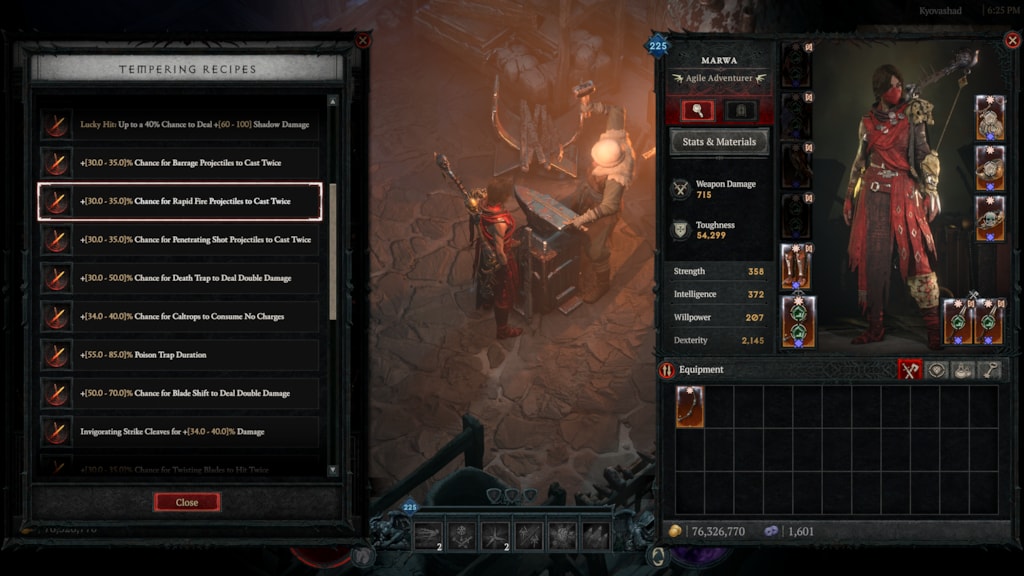
Tempering is a core crafting system in Diablo 4 that allows players to add stats and bonuses to weapons, armor, rings, and amulets. Before Season 11, however, getting the exact bonus you wanted was largely a game of chance. Desired stats were bundled together with several others, and each temper roll randomly selected which bonus would be applied.
Because tempering attempts were limited, this system often led to frustration. You could invest time and resources into a piece of gear only to miss the stat you needed entirely, leaving you with an affix that did nothing for your build. In many cases, that meant the item was effectively “bricked” or rendered useless despite being a strong piece of gear overall.
As a result, tempering often felt punishing rather than rewarding. Instead of enhancing the excitement of upgrading gear you were eager to equip, it disrespected the time investment players had already made and turned progression into a nerve-wracking gamble.
Thankfully, Season 11 of Diablo 4 addresses this issue in the most straightforward way possible: by allowing players to apply the exact bonus they want directly to their gear through tempering, no luck-of-the-draw rolls required. It’s a change so obvious and sensible that it begs the question: why wasn’t it always this way? And now, we can leave the recurring disappointment of gambling losses to DraftKings and casino floors, instead of rolling the dice when adding stats to our Diablo 4 gear, as Anu intended.
Masterworking items has been improved too
Masterworking is an endgame crafting system accessed through the Blacksmith that lets players upgrade Legendary, Unique, and Mythic items. In Season 11 of Diablo 4, this system has been improved to make min-maxing your gear both easier and more cost-effective.
To Masterwork an item, you need a combination of special crafting materials:
| Material | Purpose | Where to Obtain |
|---|---|---|
| Obducite | Raises Masterwork Quality on Legendary, Unique, and Mythic items. | Dropped from endgame dungeons, world events, and bosses. |
| Neathiron | Rerolls the Capstone bonus at max Quality to target a specific stat/affix. | Rare drops from high-level world bosses, seasonal events, and elite encounters. |
| Legendary Dust | Required for initial Masterworking of certain Legendary and Mythic items. | Crafted from salvaged Legendary items or obtained through endgame drops. |
| Essence | Used to finalize higher-tier upgrades or certain Unique items. | Dropped in late-game dungeons or salvaged from high-tier items. |
Season 11’s update makes this process much more predictable. The Capstone bonus now allows players to repeatedly reroll the final affix until it aligns with the stat they want, without losing the Quality progress already earned. This change, much like the improvements to tempering, feels fairer and less grindy, letting players focus on optimizing builds rather than battling frustrating RNG.
Season Rank and Capstone Dungeons
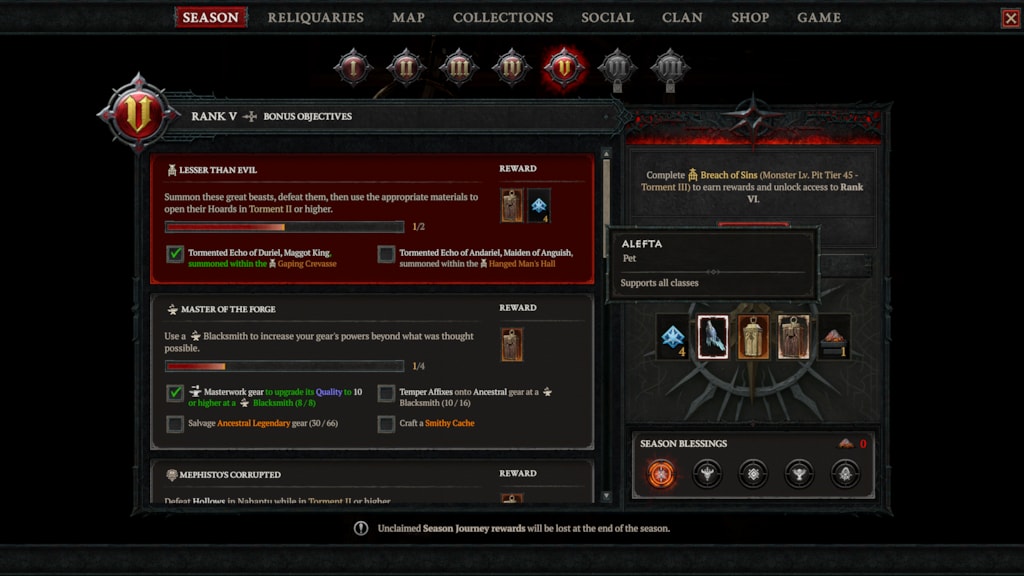
In Season 11 of Diablo 4, the old Season Journey system has been replaced by Season Rank, a more focused and rewarding progression system with bigger and better rewards.
The new Capstone Dungeons tied to Season Rank serve as a satisfying progression gate, introducing unique mechanics and meaningful challenges that go beyond simply running through corridors and slaughtering enemies. These dungeons bring strategy and depth to endgame play, offering players a welcome sense of variety and accomplishment.
Do you think Season 11 of Diablo 4 is the perfect time to jump back in? Have you been having fun with the new Paladin class? What do you think the second new class will be in the Lord of Hatred expansion? Let us know in the comments.
















You must be logged in to post a comment Login