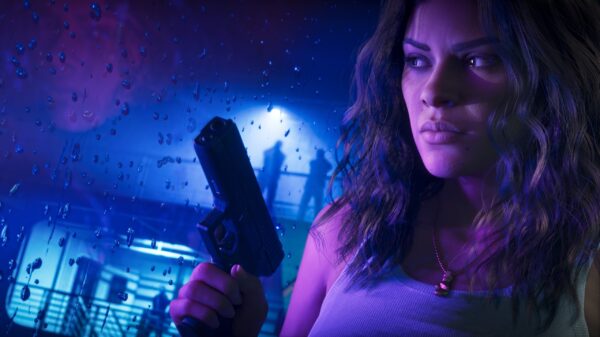

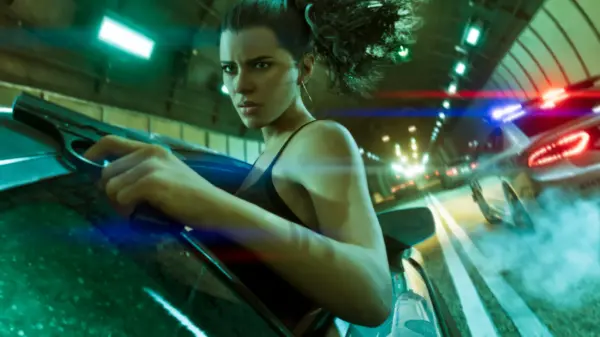











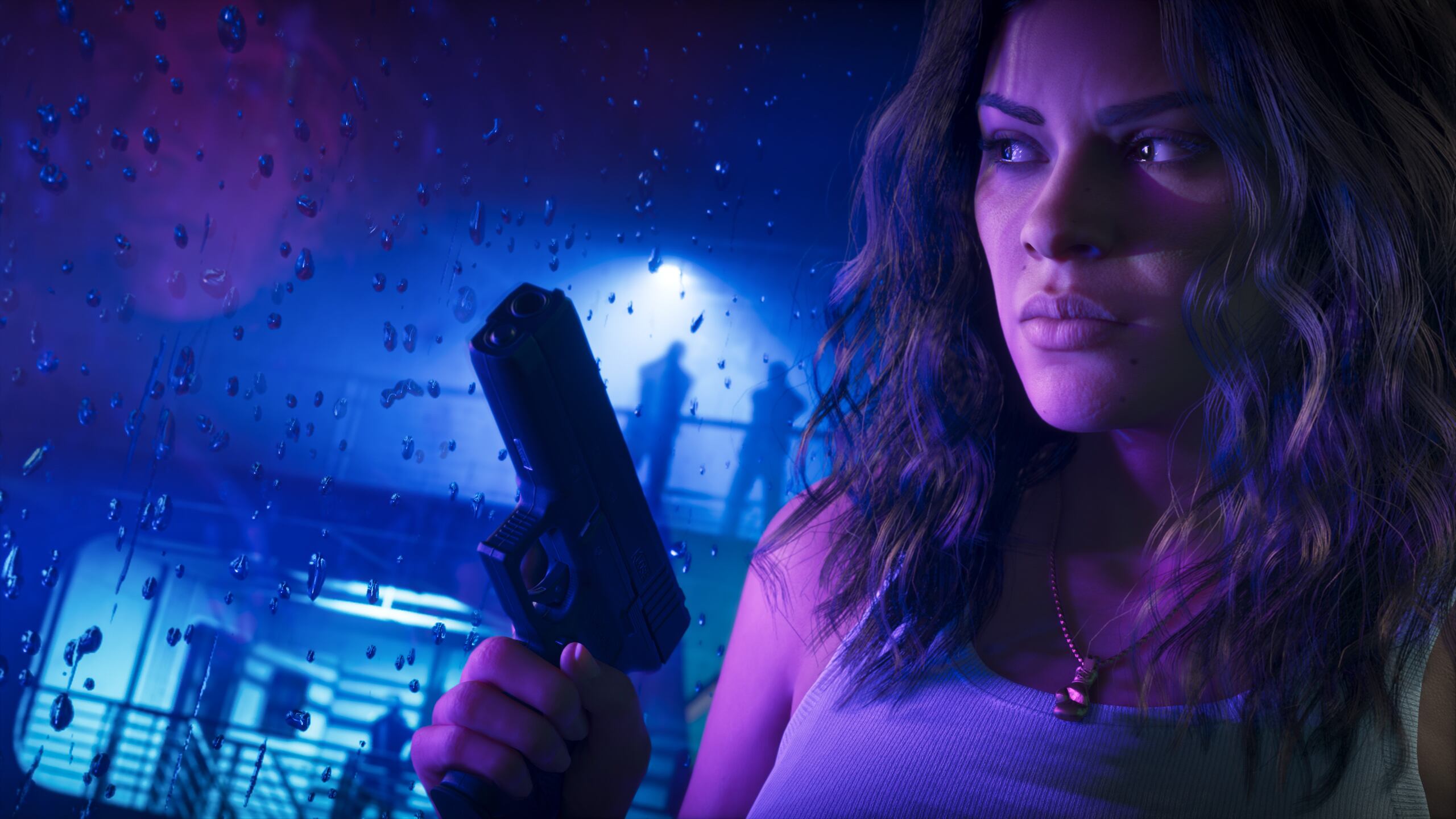

Should Grand Theft Auto VI have been available to purchase on a physical disc rather than exclusively as a digital download?
GameStop CEO Ryan Cohen certainly thinks so. He’s unhappy with the GTA 6 digital-only release and the gaming industry’s growing shift away from physical discs, a sentiment he expressed in a recent interview with Bloomberg.
“When you buy a game, you should be able to sell it, trade it, or lend it to a friend,” Cohen told the publication.
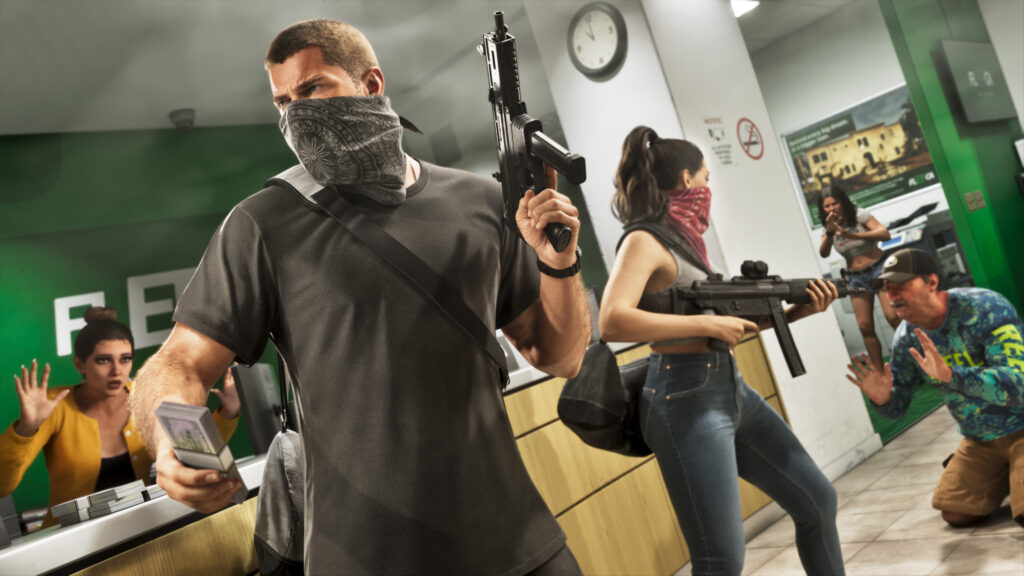
Cohen argues that abandoning physical discs hurts both consumers and retailers like GameStop. He also believes publishers have a financial incentive to eliminate used-game sales, since every pre-owned copy represents a potential alternative to purchasing a new game.
In the case of GTA 6, Rockstar Games technically released a physical boxed edition, but there’s a catch: the box contains a digital download code rather than an actual game disc. That means players who purchase it have no physical copy to resell, trade in, or lend to a friend.
GTA 6’s Digital-Only Release Is Bad News for GameStop
Naturally, this isn’t great news for GameStop, whose business still relies heavily on physical game sales, particularly pre-owned titles and refurbished products.
According to Bloomberg, pre-owned and refurbished merchandise accounted for 22% of GameStop’s sales during the quarter ending August 1, generating approximately $171 million in revenue. That figure represented a 32% decline from the same period a year earlier.
And things could get even more challenging for the retailer.
Sony announced in July that it will stop producing physical discs for new PlayStation game releases beginning in January 2028. Previously released games and titles scheduled for disc releases before that date won’t be affected.
The decision marks another significant step toward an all-digital gaming market, one that could further reduce the opportunities for retailers to profit from pre-owned games.
GameStop CEO Supports Legislation Protecting Video Game Ownership
Cohen’s concerns extend beyond GameStop’s bottom line, however.
He also told Bloomberg that he met with Democratic Congressman Ritchie Torres of New York, who announced plans in October to introduce the Power to the Players Act, proposed legislation aimed at strengthening consumer ownership rights for purchased video games.
The bill would direct the Federal Trade Commission to establish regulations protecting consumers’ ability to own and continue playing games they’ve purchased, rather than merely holding revocable licenses.
It would also require games with online functionality to provide an offline mode before their supporting servers are shut down.
“When you pay for a game, you should own it,” Torres said when announcing the proposal, describing games that can be permanently disabled by publishers as “a rental disguised as a sale.”
The issue has become increasingly contentious as more games depend on digital storefronts, online authentication, and servers that publishers can eventually shut down.
What Does the Shift to Digital Games Mean for Consumers?
For consumers, physical discs have traditionally offered advantages beyond collecting, including the ability to trade games, purchase cheaper used copies, and share them without relying on a publisher’s digital storefront.
Digital distribution, meanwhile, offers conveniences of its own, including instant purchases, preloading, and the ability to access games without swapping discs.
But with GTA 6 demonstrating that even the industry’s biggest releases can launch without a traditional physical edition, Cohen’s concerns highlight a broader question about the future of video game ownership.
As the industry moves further away from discs, will players still have meaningful control over the games they purchase, or will buying a game increasingly mean paying for access that could eventually disappear?












You must be logged in to post a comment Login