







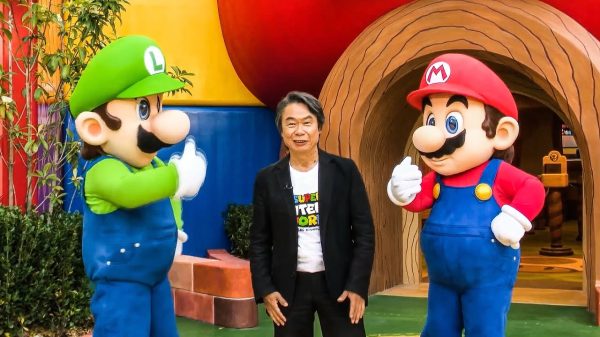











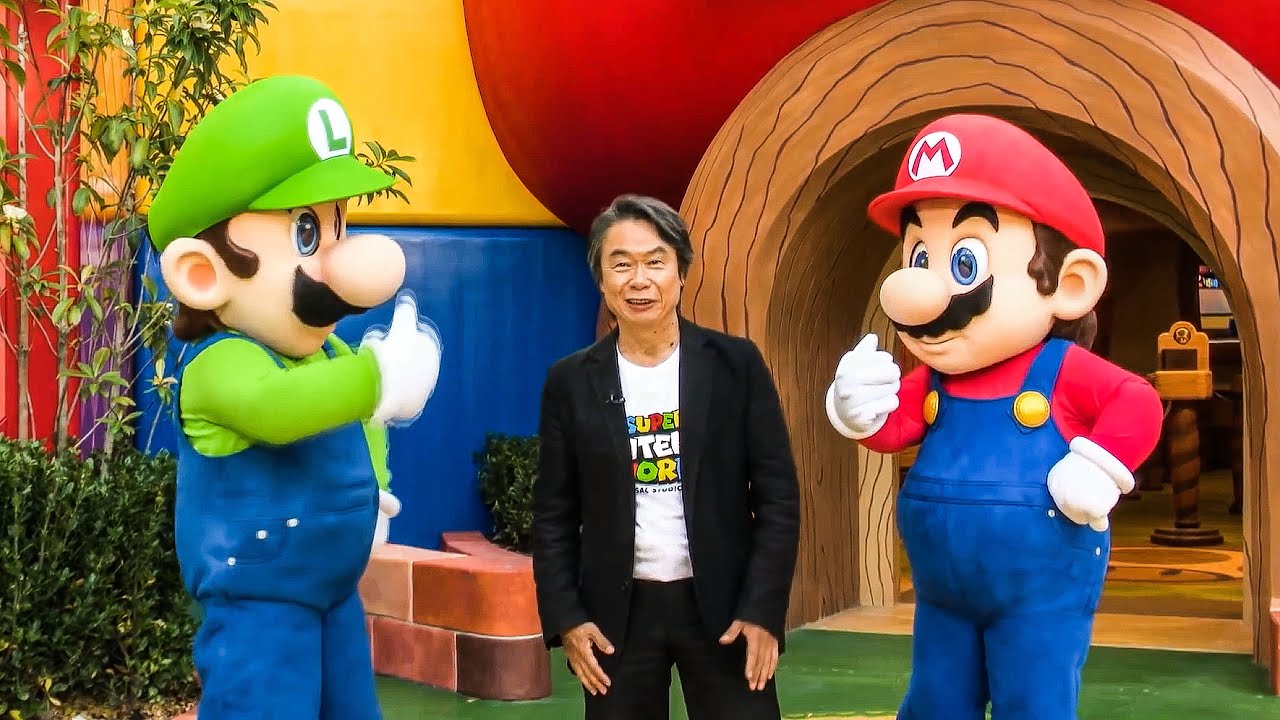

As the creator behind revolutionary and beloved video game franchises such as Mario, The Legend of Zelda, Star Fox and Pikmin, it is an understatement to say that longtime Nintendo creative leader Shigeru Miyamoto knows a thing or two about making a successful video game.
So what is it that makes Nintendo’s IPs so beloved and enduring around the world, especially in a gaming industry where cancellations, studio closures, restructuring and layoffs have increasingly become major trends?
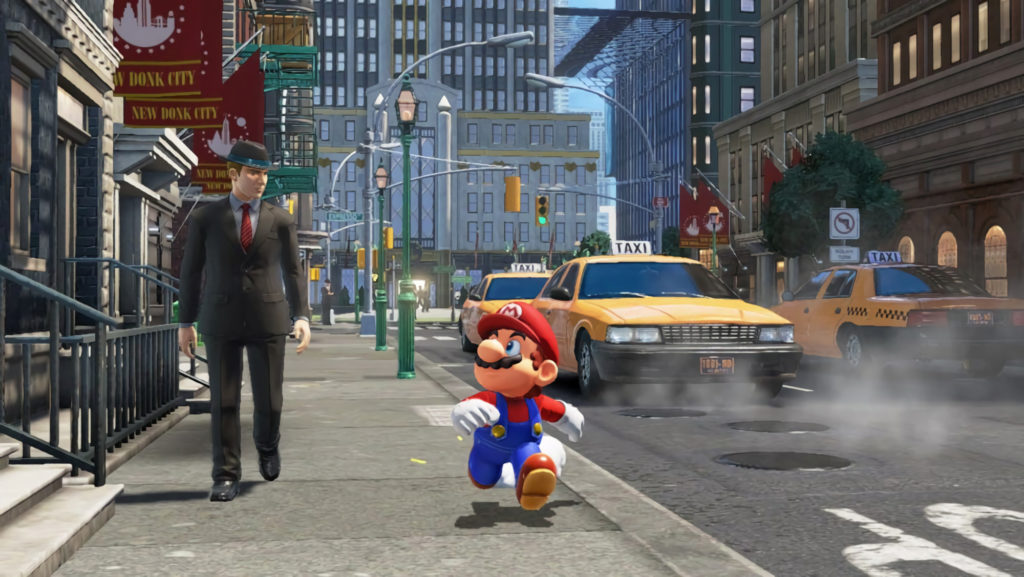
Super Mario Odyssey/Nintendo
According to Miyamoto, one of the keys to Nintendo’s most successful games has not been chasing business trends or trying to appeal to the widest possible global audience. Instead, he believes it starts with a simple idea the developer personally finds fun or enjoyable, then building outward from there.
“People have long asked me, ‘Why does a mustachioed middle-aged guy like Mario sell so well?’ and I always think, ‘That’s a bit rude, isn’t it?’” Miyamoto said jokingly in an interview with Famitsu, translated via Google. “Well, I wonder the same thing myself. Why did an older guy like this become a hit? But if you look at it simply, it’s because he was introduced alongside incredibly fun games.
“When we come up with new games, we start from the fundamentals. We don’t begin by looking at existing games on the market and thinking, ‘If we tweak this part or combine that element, it would be fun.’ Instead, we ask ourselves, ‘Why do people play games in the first place?’
“From there, we might consider things like, ‘What is the core appeal of the games trending right now?’ or ‘Isn’t this essentially the same as that old game from back then?’ or ‘If so, couldn’t we do something more with this?’ We start by asking, ‘What does it actually mean for something to be fun to play?’”
Miyamoto pointed to Splatoon, one of Nintendo’s newer major franchises, as a key example of that philosophy.
Splatoon is a team-based shooter series where players control squid-like Inklings and Octolings who cover arenas in ink while battling opponents. Instead of focusing only on eliminations, its signature Turf War mode challenges teams to paint as much of the map as possible, creating a fast, chaotic mix of shooter action, movement strategy and playful Nintendo style.
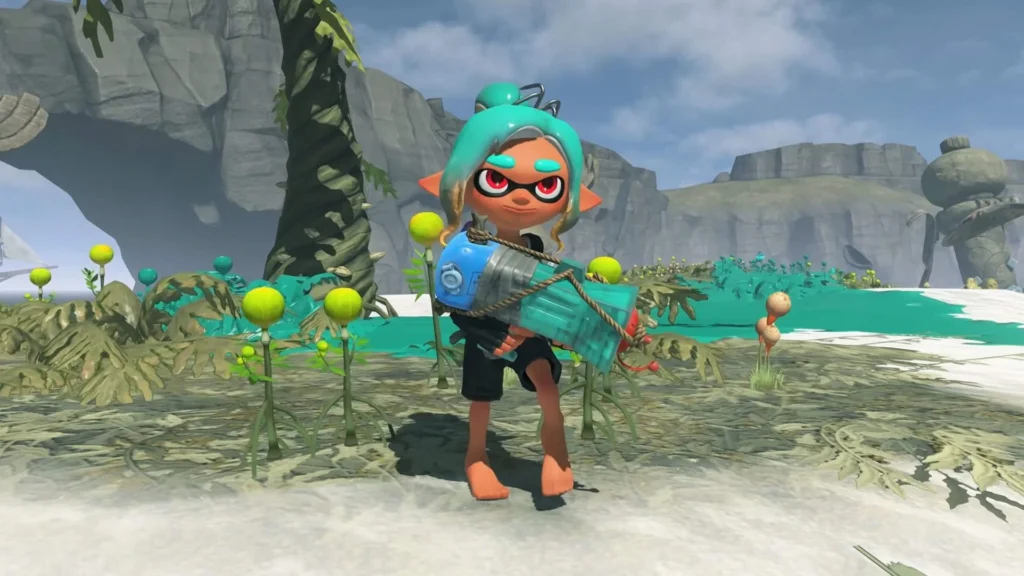
Splatoon Raiders for the Nintendo Switch 2/Nintendo
The series has been a major success for Nintendo, turning a brand-new Wii U-era IP first introduced in 2015 into one of the company’s most recognizable modern franchises. The original Splatoon sold 3.07 million copies on Wii U, while Splatoon 3 surpassed 3.45 million sales in Japan alone in its first three days, establishing the series as a major Nintendo pillar.
“Splatoon is a classic example of this,” Miyamoto explained. “The core concept was simply, ‘What would happen if we had a game about painting an area and competing for territory?’ Turning that into a proper game is difficult, of course, but if the core concept had been different, the result wouldn’t have turned out the way it did.”
Miyamoto then brought one of the most popular and successful video game franchises of all time into the discussion: Pokémon.
“Even with RPGs, if the ‘starting point’ differs, if you start with a fundamental concept and then shape it into an RPG, you end up with something completely different,” Miyamoto continued. “That’s exactly why Pokémon Red and Green turned out so differently from the RPGs that came before them. They were created based on Mr. Tajiri’s own passionate experiences with insect collecting: the desire to trade with friends for species you hadn’t caught yet, and the drive to complete the collection.”
Miyamoto added that it is not enough for developers to simply look at a game they already like and think, “If I added this to the game, it would be even more fun.”
“I always tell them, ‘You shouldn’t do that.’ That’s the sort of thing I talk about at external game seminars,” he said.
“I suggest starting instead from something like a ‘principle of gameplay’ that only you have noticed,” Miyamoto continued. “This is standard practice at Nintendo. We don’t consider it to be anything special. If a game is remembered as a unique, entertaining experience, the more distinctive it is, the more deeply it gets imprinted in people’s minds.”
Miyamoto also used Mario to explain why Nintendo’s biggest franchises have resonated with players across generations and cultures. In his view, both Mario and Pokémon are easy to understand, fun to play and built around ideas almost anyone can relate to.
“The reason Mario became such a global success is likely because the gameplay centers on physical movement,” Miyamoto said. “It’s a game anyone can understand, regardless of country or culture. The same goes for Pokémon’s global success. The desire to collect and complete a set of charming characters is something people in any country can relate to.”
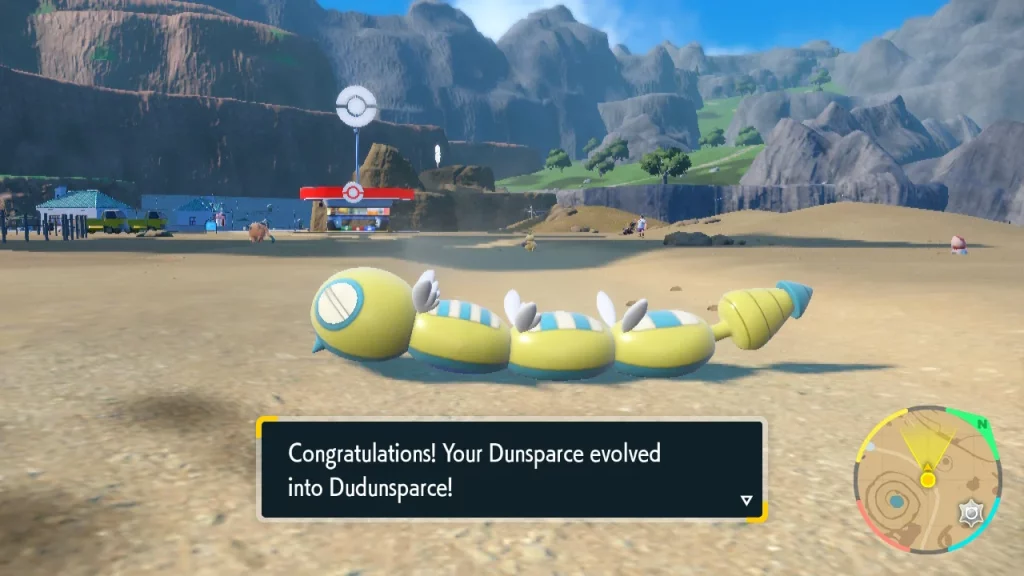
What, Dunsparce is evolving?!/Nintendo, The Pokemon Company
Miyamoto also made it clear that shareholders, short-term profits and “recouping costs” are not the foremost concerns when Nintendo develops games, a philosophy that stands in stark contrast to much of today’s heavily monetized gaming landscape.
“So, the reason Nintendo enjoys such strong global support is simply that we don’t start by asking, ‘What’s trending right now?’ Instead, we focus on who we’re actually doing this for,” Miyamoto said. “Who is it that’s putting up the money? I really dislike terms like ‘depreciation’ or ‘recouping costs.’ The people funding these projects are doing it to make a fortune, so why celebrate things like ‘we recouped our investment’ or short-term profits? To me, if you’ve burned through the talents of so many people just to achieve that, that feels like a massive failure.”
Miyamoto ended the interview with a principle that may sound simple on paper, but is clearly difficult to replicate. After all, not every company can match Nintendo’s track record or its decades of sustained success.
“That’s why, when people at the company ask me what to do, the only advice I can offer is: ‘You should turn your idea into a product in a way that best showcases the fact that you were the one who created it.’”
What do you think of Shigeru Miyamoto’s thoughts on why Nintendo games have stayed successful over the years? Do you think other gaming companies should emulate their design approach or is the Nintendo approach something only Nintendo can offer?

















You must be logged in to post a comment Login