





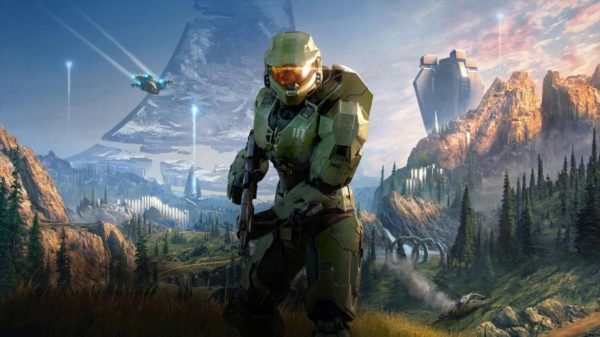

















The console vs PC gaming debate dates back to the 1990s. It was then that Windows 95 and internet multiplayer games unleashed an exciting new era of PC gaming, with titles like Doom, Age of Empires, and Command & Conquer. Microsoft, ID Software, and Valve shook up PC gaming, making the Windows platform a viable alternative to consoles. However, are Windows PCs actually better than consoles for gaming today? This is how console and PC gaming compare in terms of value, flexibility, choice, exclusive titles, graphical quality, multiplayer, and accessibility.
Best for Value: Console
When it comes to the question of console vs PC value, consoles are the best because they’re usually cheaper than gaming PCs. Most consoles are typically priced under the $600 mark. For example, the RRP for the Switch 2 is $449.99.
In comparison, top-tier gaming PCs typically cost more than $2,000. Half-decent gaming PCs fall within the $1,000 to $2,000 range. Even the low-specification budget gaming PCs typically cost more than gaming consoles. So, consoles are generally more economical alternatives to gaming PCs.
Best for Flexibility: PC
The gaming PC (especially desktops) is clearly more flexible than consoles for playing video games. Firstly, because desktop PCs are modular and can be upgraded with new graphics cards, monitors, and RAM. Laptops aren’t quite so flexible, but you can still add more RAM to them.

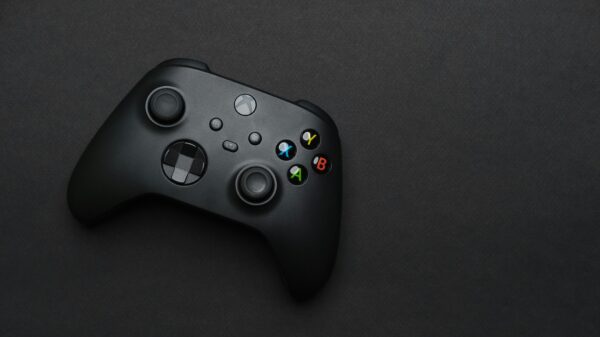
PCs also support a much wider variety of gaming peripherals. Windows PCs support a multitude of console gamepads, joysticks, steering wheels, and keyboard gaming peripherals. In comparison, consoles are limited to more specific authorized controllers. So, the PC is obviously better for control flexibility.
Best for Game Choice: PC
There isn’t much of a console vs PC contest when it comes to choice. Although consoles have backward compatibility with others in their series, none of them can match the almost infinite catalogue of games available for PCs. Steam alone includes more than 100,000 PC games you can play on a variety of Windows platforms dating back to the late 1990s. Nor is backward compatibility often an issue for playing older PC games on newer Windows platforms.
Best for Exclusive Game Titles: Nintendo Consoles
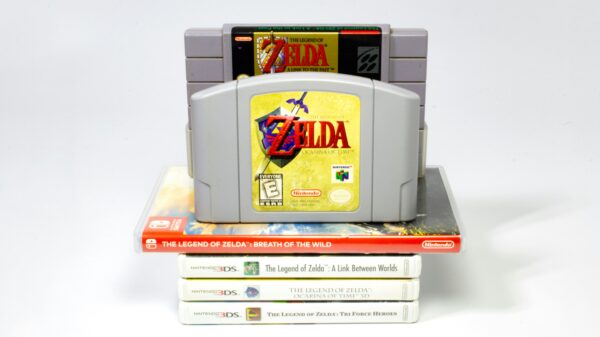
Although Microsoft and Sony have shifted towards a more multiplatform strategy by porting more previously exclusive games to PC, Nintendo certainly hasn’t done the same. Consoles are primarily better for exclusive games because Nintendo only releases its major franchise titles on the Switch. All the great Mario, Zelda, Metroid, Mario Kart, Donkey Kong, Smash Bros, and Kirby games are exclusively for Nintendo consoles. If you want to play Nintendo games, you’ll need a Switch.
Admittedly, the disparity of exclusive game choice between consoles and PCs is not nearly as great beyond Nintendo. However, developers can still optimize exclusive games on the Xbox and PlayStation consoles better because of their universal hardware configurations. For example, exclusive PlayStation 5 games like Astro Bot and Demon’s Souls are great showcases for the PS5. Thus, console exclusives can also have a qualitative advantage over PC-only games in that respect.
Best for Graphical Quality: High-End PC
This aspect of the console vs PC debate is a bit harder to judge because desktops and laptops can vary widely. However, the best, high-end gaming PCs offer superior graphical quality over consoles. PCs with top-notch GPUs can push fancy ray tracing and path tracing effects at higher 4K or even 8K resolutions than consoles for true graphical splendor. None of the current generation of consoles supports the demanding path tracing rendering technique.

Yet, there is another side to the coin for lower-spec PCs. Players with older, lower specification PCs will often have to lower graphical settings to boost frame rates. Nevertheless, top-notch gaming PCs beat the current consoles for graphical quality.
Best for Multiplayer Gaming: PC
Although consoles have closed the gap considerably, PCs have historically had the edge when it comes to online multiplayer gaming. That remains the case today because the PC has numerous exclusive multiplayer games you can’t play on consoles. Multiplayer games like Counter-Strike 2, Dota 2, World of Warcraft, and StarCraft 2 are only for PC.
Online multiplayer is also freely available on PCs, but it’s a different story on consoles. For example, PS5 players need a PlayStation Plus subscription to play multiplayer games. Xbox Game Pass Core is the subscription required for console multiplayer gaming on the Xbox Series X|S. So, the PC certainly offers a better deal for multiplayer gaming.
Ease of Use (Accessibility): Console
The plug-and-play accessibility of consoles makes them better for ease of use than PCs. Unlike PCs, consoles are specifically designed for playing games. There’s no need to check system requirements before purchasing console games. However, PC players sometimes find they can’t play new games when they don’t check the system requirements for them. Players don’t need to tweak settings to optimize games on consoles nearly so much because of their standardized hardware.

The Console vs PC Verdict…
It’s a close call, but Windows PCs win it 4-3 in this head-to-head console vs PC comparison. Top-tier Windows PCs are better than consoles for game choice, multiplayer gaming, flexibility, and graphical quality. In comparison, consoles offer better value, ease of use, and exclusive game titles. If you prefer to play more multiplayer games, you’re better off with a decent, flexible gaming PC. However, many casual players still prefer the convenience and value of consoles, not to mention exclusive games on the Nintendo Switch.











You must be logged in to post a comment Login