








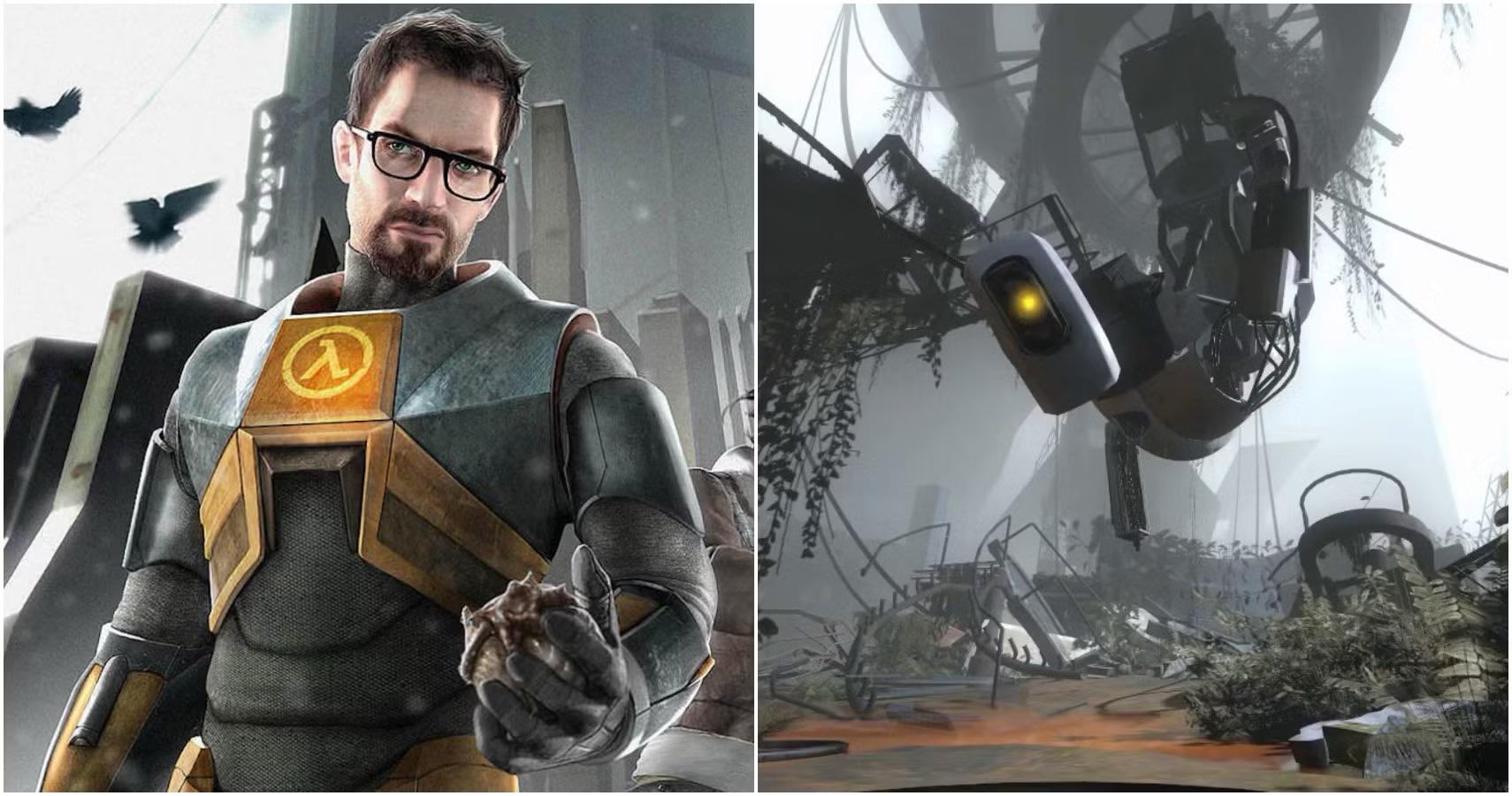

Anyone who considers themselves a PC gaming enthusiast knows the name Gabe Newell. As the co-founder and president of Valve Corporation, Newell helped shape some of the most influential titles in gaming history, including Half-Life, Counter-Strike, Portal, Team Fortress, and Dota 2. Yet his impact extends far beyond the games themselves. With the launch of Steam in 2003, Newell helped to fundamentally change how players buy, update, and experience games. What began as a simple distribution tool evolved into the world’s largest PC gaming platform, serving as a storefront, library, and community hub across multiple operating systems.
Given his towering influence, one might have expected Newell to remain deeply involved in the hands-on development of modern titles. Surprisingly, however, the last game he was directly credited on was 2011’s Portal 2, where he served as a producer. Since then, his role has shifted away from day-to-day creative input, raising an obvious question: what’s the real reason Gabe Newell stopped making games?
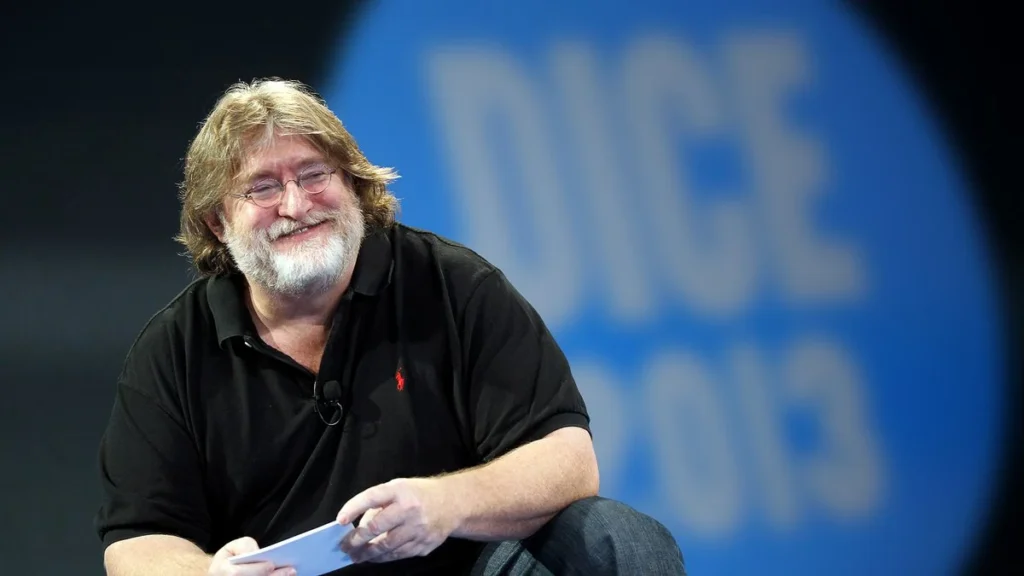
According to Newell and those who have worked closely with him, the answer lies in the unintended consequences of his own reputation. Former Portal 2 project lead Josh Weier explained that Newell’s presence often made true collaboration difficult. Rather than challenging ideas, team members were more likely to defer to him, creating an environment where honest feedback became more difficult to establish.
“He always wanted to be part of the team, but being Gabe and being in his position, that never really worked,” Josh Weier, the project lead designer on Portal 2, told Kiwi Talkz.
Weier said Newell recognized he was often surrounded by people too willing to agree with him, something many CEOs might welcome, but Newell did not.
“Because people would be like, ‘Whatever you say,’ and he was more like, ‘No no no, I want to be part of the team and come up with ideas,’” Weier continued. “That was really hard for people, so I think there was a period where he stepped back and was like, ‘Alright I guess I’m just not going to be able to interact with everyone that way.’”
For Newell, that dynamic ran counter to the kind of creative process he valued. Instead of embracing a top-down role, he chose to step back, recognizing that his influence could unintentionally stifle the open exchange of ideas. It’s a rare move in an industry where authority often goes unquestioned, and it speaks to a leadership style focused less on control and more on fostering genuine collaboration.
In the end, Gabe Newell’s decision to step back says as much about his philosophy as it does about his legacy. Rather than holding tightly to creative control, he recognized that great ideas often come from open, collaborative environments where no single voice dominates. It’s an approach that sets him apart from many industry leaders and helps explain why Valve continues to innovate in its own unconventional way. Even without direct involvement in recent titles, Newell’s influence still looms large over modern gaming, not just in what gets made, but in how it gets made.
Do you agree with the reason Gabe Newell stopped making games? Let us know in the comments.












You must be logged in to post a comment Login