






























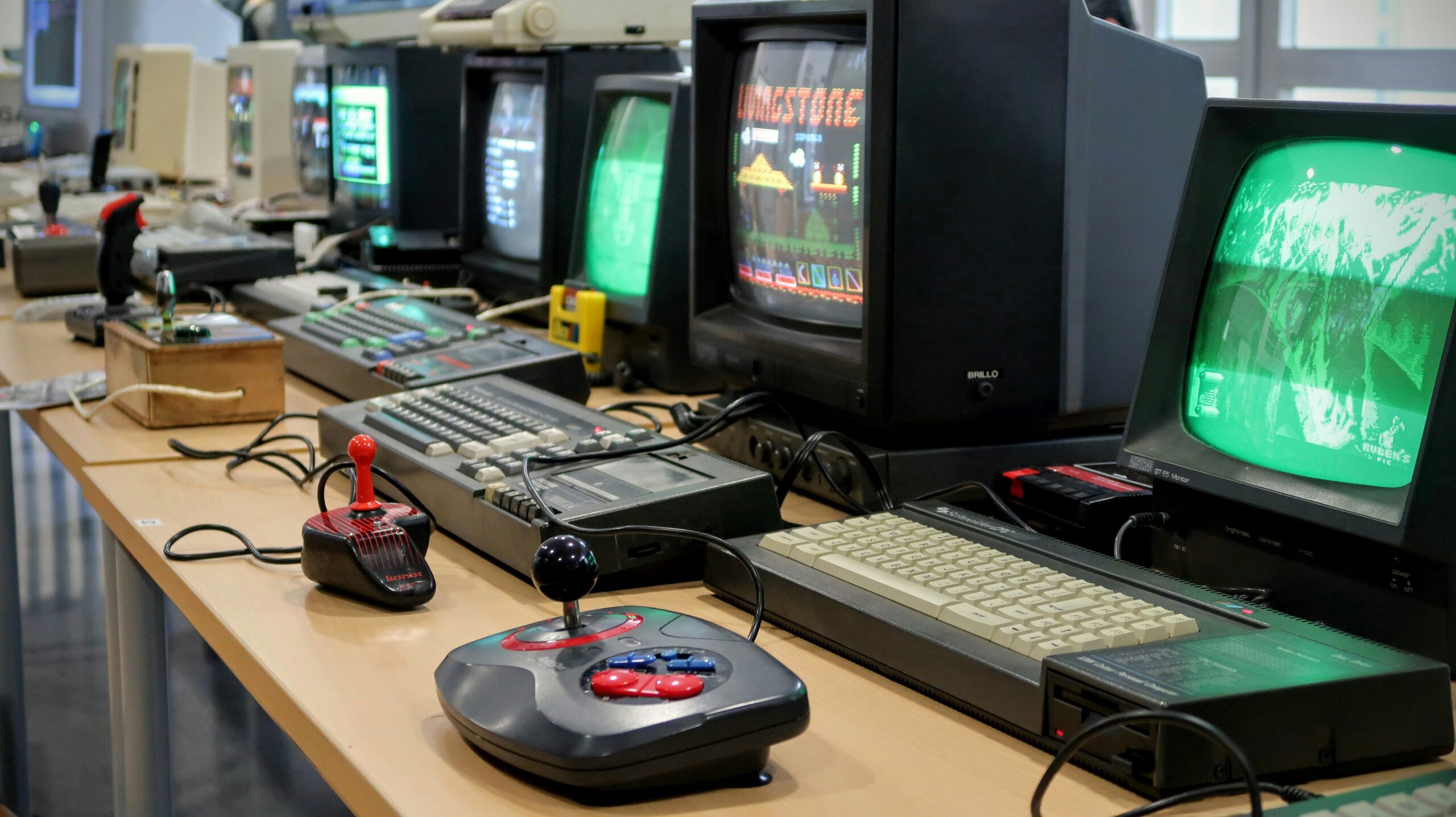

Today, the video gaming industry is a global juggernaut that’s somewhat bigger than the movie business. However, this was not always the case, and the video game industry has gone through some tough times during its history. The 1983 video game crash was perhaps the most challenging period, during which gaming revenues plummeted significantly, leaving the entire industry in a state of disarray. This is the story of how video gaming went from boom to bust and then recovered during the 1980s.
Rise of Atari
Nolan Bushnell and Ted Dabney founded Atari in 1972. Atari was the company that launched the gaming industry by releasing Pong. Pong was a digital simulation of table tennis that became an immensely popular arcade game. It was the first significant arcade game hit in history.

Atari continued rolling out hit arcade games during the 1970s. Games such as Breakout and Asteroids also had a significant impact during the golden age of arcade gaming. With an increasing number of arcade hits, Atari became one of the biggest companies in the gaming industry.
More and more players wanted to play the best arcade games at home. To satisfy that demand, Atari released the Atari 2600 (originally called the Video Computer System) in 1977. This was an 8-bit home console that enabled players to play multiple games with different cartridges. The Atari 2600 became the home console of choice for millions of players with hit arcade games like Space Invaders, Asteroids, Missile Command, Centipede, Defender, and Galaxian ported to it. It was undoubtedly Atari’s greatest product that the company relaunched as a retro console in 2023.
The Video Gaming Bubble Bursts
Atari seemed to have the video gaming world in its pocket when the 1980s began. However, things had changed at Atari, especially when Nolan Bushnell left the company in 1979. Bushnell was the Atari visionary who had created the gaming giant, and his departure was a pivotal moment in the company’s history. Warner Bros had established an increasing stake in Atari, and Bushnell left because of disagreements over company direction.
Although Atari initially continued to prosper under the leadership of Ray Kassar, cracks began to emerge. Under his leadership, Atari became an increasingly marketing-obsessed company. He cut research and development and generated a more hostile environment, which convinced some Atari programmers to leave the company.
Some Atari programmers founded Activision, the first third-party developer. Atari took legal action against Activision to block them from releasing games for its 2600 console. However, Activision won the legal battle against Atari, leading to the rise of independent third-party developers in 1982.
This meant independent developers could release games for the Atari 2600 without permission. Consequently, Atari lost control over what games were produced for its console. What followed was an uncontrolled rush of third-party developers flooding the market with many second-rate games. Even Quaker Oats, the porridge company, started rolling out video games with titles like Sneak ‘n Peak and Towering Inferno.
Atari had generated an increasingly marketing-obsessed culture within the video gaming industry without quality standards. Second-rate video game tie-ins became increasingly prevalent, such as the notorious E.T. the Extra-Terrestrial. This game was released to cash in on the blockbuster Spielberg E.T. movie within a development time frame of about five weeks. E.T. was a seriously flawed game that was quite literally garbage. Atari buried thousands of unsold E.T. game cartridges in a New Mexico landfill site (dug up in 2014).
A plethora of second-rate games sparked the 1983 video game crash. The video game market had become oversaturated, with consumer confidence profoundly shaken. Nor did the economic recession in the USA during the early 1980s help. Many video games were simply not worth playing, with developers rushing them out on shoestring budgets.
Consequently, game sales nosedived during the 1983 video game crash. Atari had huge losses in 1983, with estimates ranging from $536 to $538 million. A billion-dollar gaming industry significantly contracted, with the North American video game market slumping to an all-time low by 1985.
Nintendo and Mario Save the Gaming Industry
Nintendo launched the Famicom console in Japan in 1983. Although the North American gaming industry was in disarray during the 1983 video game crash, the Japanese home market conditions for Nintendo were more favorable. With arcades also declining, Nintendo released the Famicom as a home family console with popular games like Donkey Kong, Mario Bros, Popeye, and Donkey Kong Jr ported to it. Despite a slightly rocky start, the Famicom became the top-selling home console in Japan during 1984.
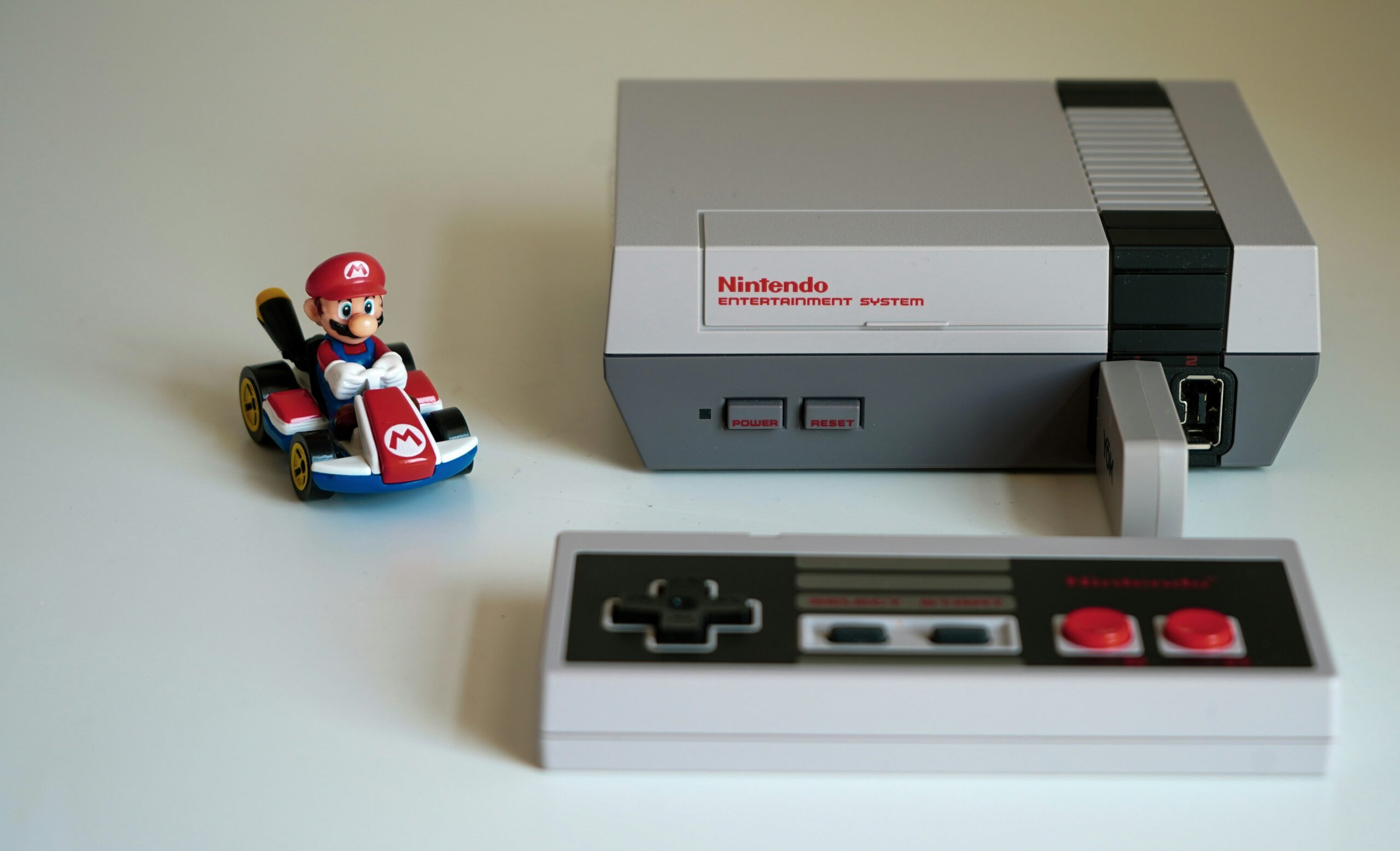
With Atari losing its grip on North American gaming, Nintendo launched its rebranded Famicom console called the NES in the USA in 1985. However, the US gaming market was still rather toxic, and Nintendo marketed the NES as more of a toy with accessories like R.O.B (Robotic Operating Buddy) bundled with it. Although R.O.B wasn’t a great accessory, it was a brilliant marketing ploy that convinced more retailers to stock the NES as a toy.
Super Mario Bros was the launch game that propelled the NES to the forefront of American gaming. That was a revolutionary side-scrolling platform game for its era, with responsive controls, innovative level design, iconic graphical aesthetic, and memorable world-building. With Nintendo releasing numerous other hit games, such as Zelda and Metroid, the NES became the dominant console in North America and saved the U.S. gaming industry from collapse.
Of course, third-party developers also released many games for the NES. However, Nintendo implemented more stringent quality assurance with its 10NES lockout chip. This chip ensured only Nintendo-approved third-party games with the Seal of Quality could be played on the console.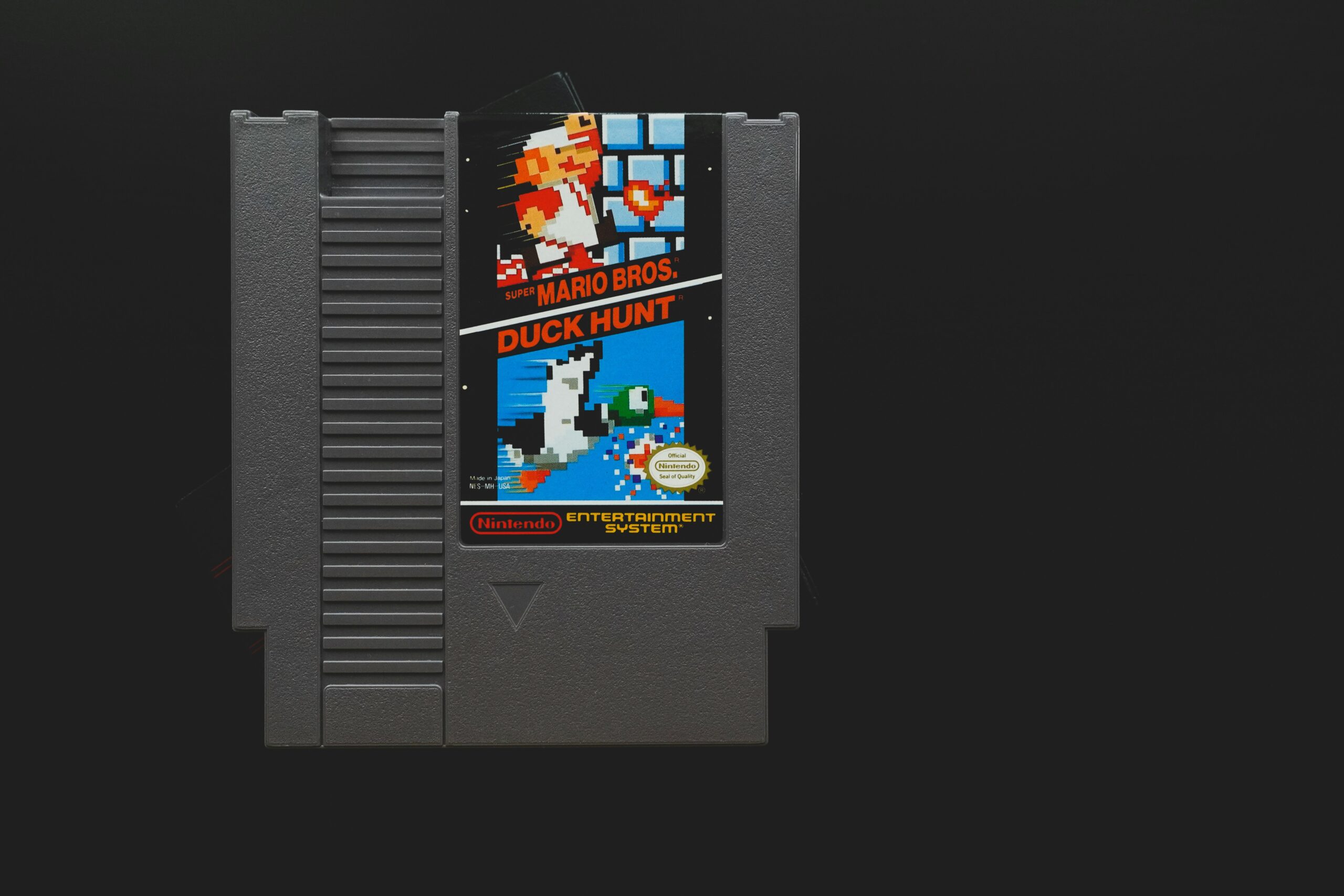
The 1983 video game crash must be remembered as a lesson for the gaming industry today. Consumer trust can be fragile, and rushing out many second-rate games for the sake of marketing monetization is a good way to break it. The video gaming industry is currently booming, with growth projections predicting it might eclipse $350 billion. However, the gaming industry cannot risk repeating the mistakes of 1983.













You must be logged in to post a comment Login