

























Nintendo and Sega are two of the most influential game and console developers in history. However, while Nintendo has remained at the forefront of the console industry, Sega is only a prominent third-party developer today. The main reason Sega doesn’t figure in the hardware business these days is that it lost its console war against Nintendo, which became all the more complicated when Sony entered the fray. This is the story of the Sega vs. Nintendo console war throughout the 1980s and 1990s, which is now a part of gaming folklore.
Master System Vs NES
The Sega vs. Nintendo console war dates back to 1985, which was the debut year for Sega’s Mark III console (rebranded Master System) in Japan. Sega’s Master System was a technically superior 8-bit console to the Nintendo NES. It was a console with a faster CPU, more memory, and higher simultaneous color display.
However, the Master System’s technical superiority was not enough to sway a significant number of players away from the NES in Japan or North America. Nintendo released the NES in North America before the Master System, and the huge popularity of Super Mario Bros enabled it to establish a dominant market presence. Sega’s Alex Kidd in Miracle World was a lesser alternative platform game for the Master System with slippery physics and frustrating hitboxes.
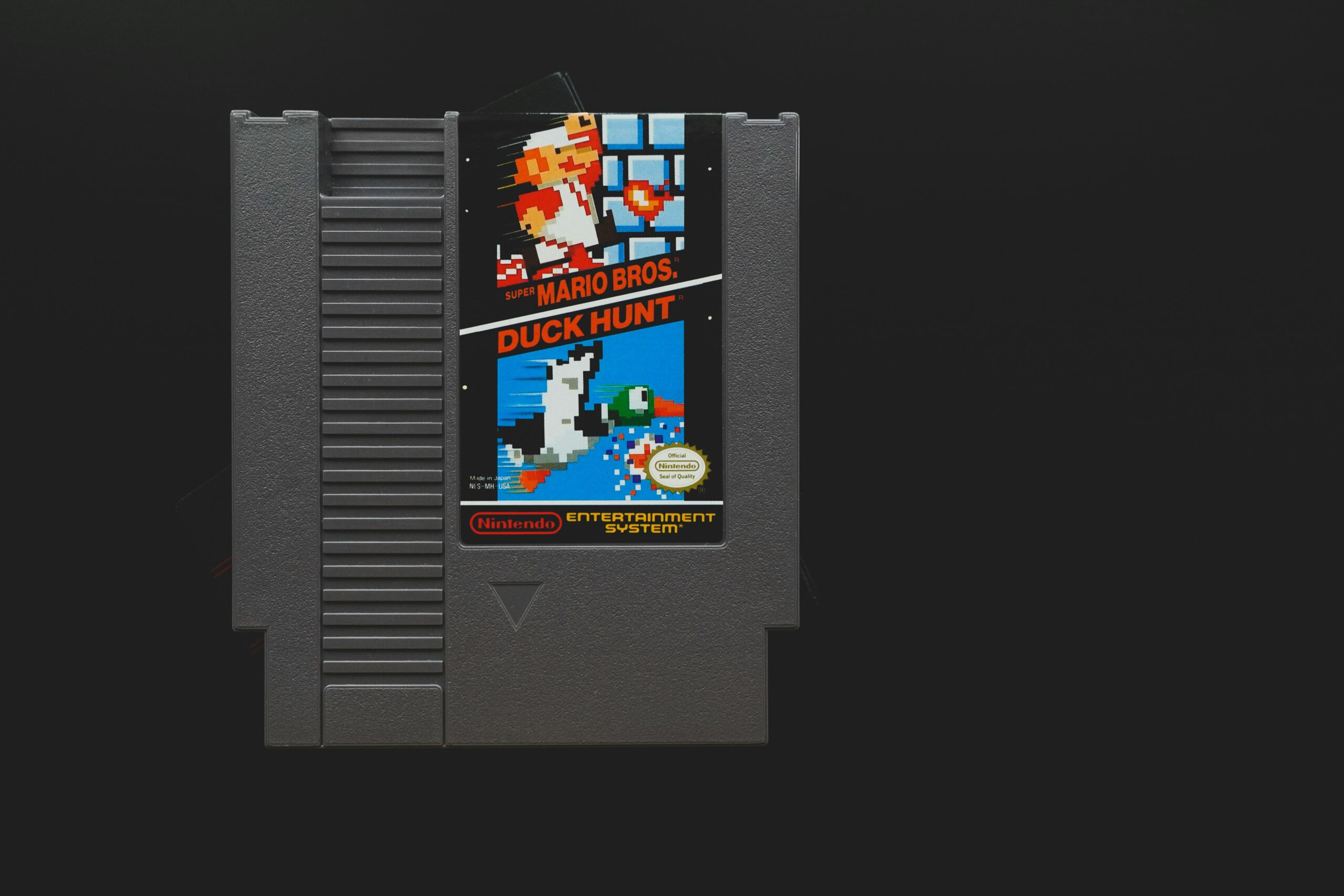
Nintendo’s licensing agreements with third-party developers also restricted the Master System’s game library. Contracts prevented third-party developers from porting their more popular games to the Master System for years. Consequently, the NES had a much broader gaming library than the Master System, with iconic Nintendo and third-party titles like Castlevania, The Legend of Zelda, Mega Man, and Metroid.
The outcome of this first Sega vs. Nintendo war was a clear victory for the NES. Nintendo reigned supreme in Japan and North America with the NES, which shifted 61.91 million units, but the Master System was not necessarily a flop for Sega. The Master System had a much more significant impact in Europe, Australia, and Brazil, where it was especially popular. Sega’s Master System console shifted an estimated 10 to 13 million units worldwide.
MEGA Drive Vs SNES
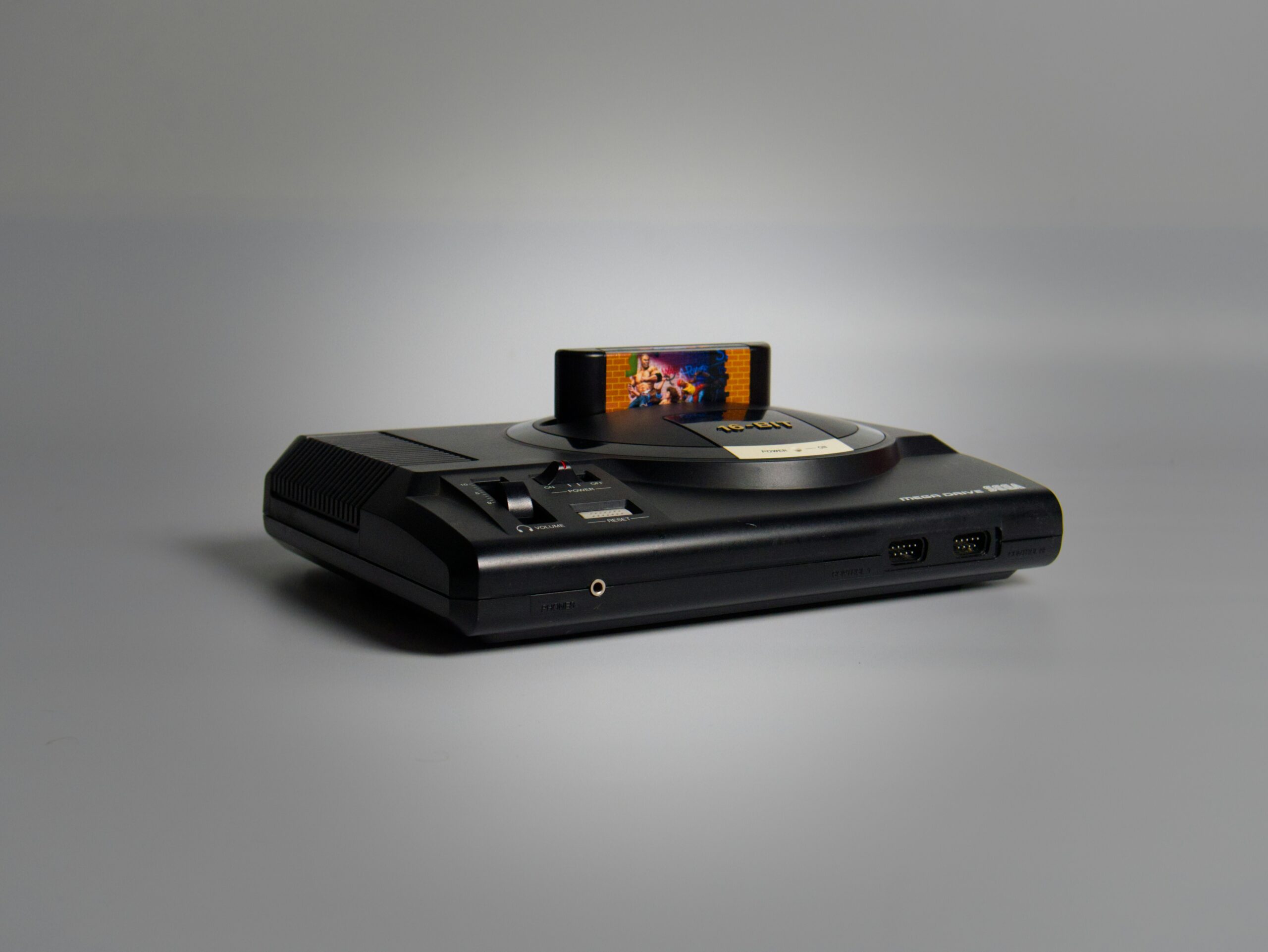
The Sega vs. Nintendo rivalry reached a whole new level in the early 1990s when the 16-bit gaming era began. While Nintendo stuck with the NES for a few years more, SEGA released its 16-bit Genesis console in North America in 1989. This gave the Genesis an almost two-year head start over the SNES in the USA, during which time it gradually swayed more and more Americans into the new 16-bit gaming era with the “Genesis does what Nintendon’t” marketing campaign slogan.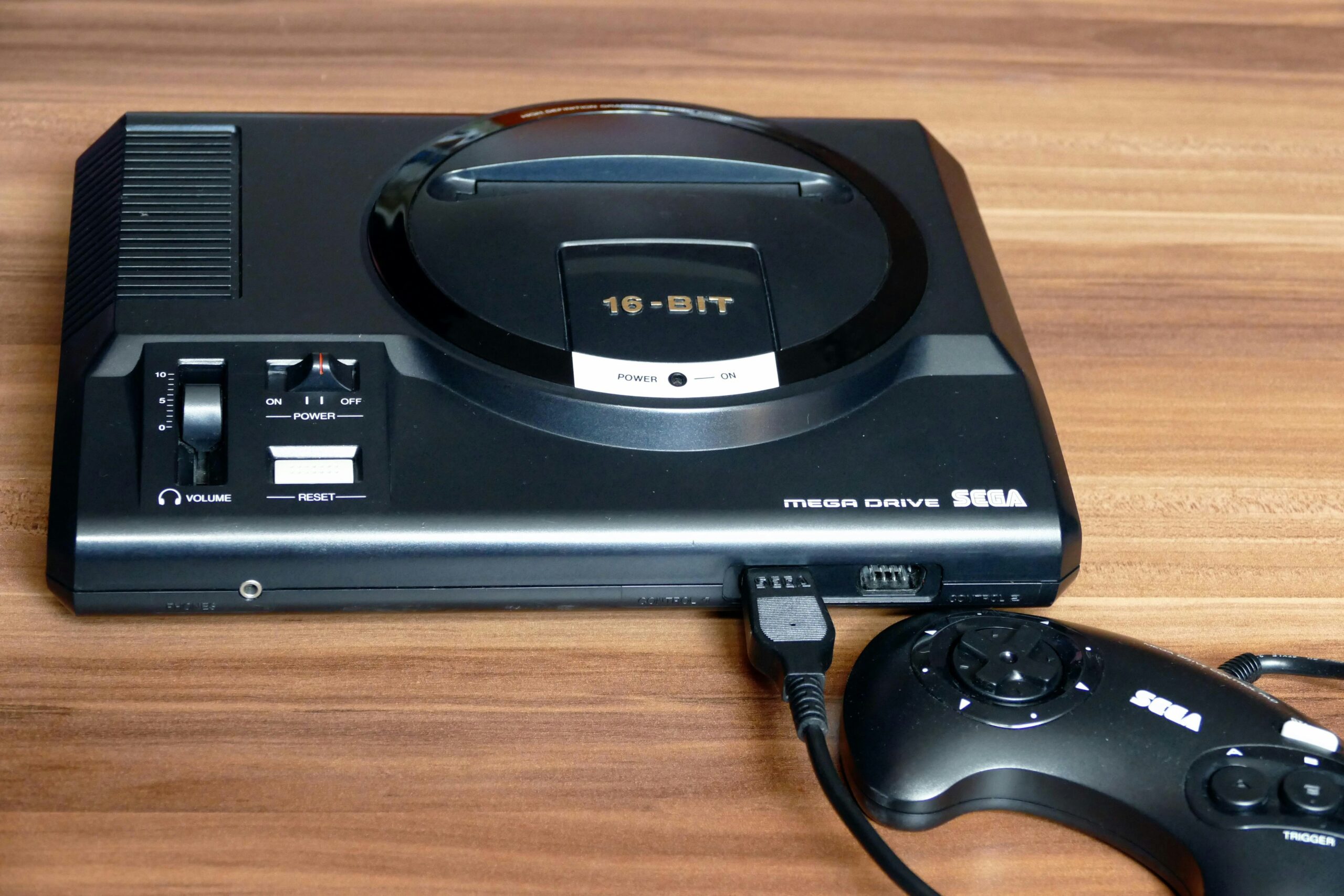
However, the real catalyst for the Sega Genesis came with the release of Sonic the Hedgehog in 1991. Sonic the Hedgehog perfectly showcased the console’s speed and was a strong alternative to Mario with its unique level design and instant action gameplay. The Sonic character had an anti-Mario design and replaced Alex Kidd as Sega’s marketing mascot. With other popular Sega games like Streets of Rage 2, Shinobi III: Return of the Ninja Master, and Phantasy Star IV, the Genesis remained ahead in the USA after Nintendo released the SNES in North America.
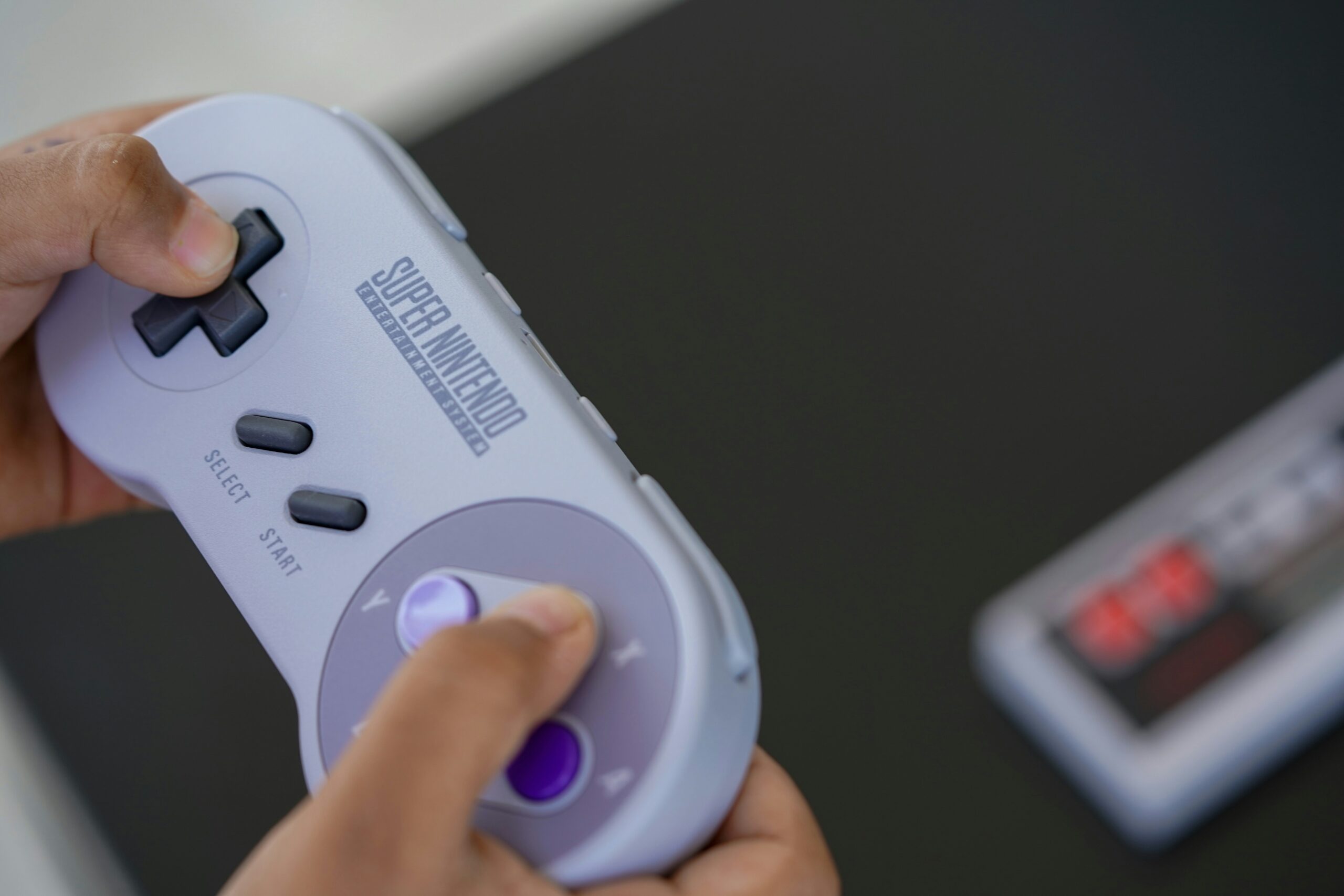
However, Nintendo still hit back pretty hard with the Super NES. Although slower than the Genesis, the SNES was generally a graphically superior 16-bit console that could display more colors simultaneously with transparency effects. The SNES also had fancy Mode 7 graphical capabilities for rotating and scaling effects. Its Super FX cartridge chip even made limited 3D gaming a reality on the SNES, with games like Star Fox and Stunt Race FX. With its library of hit Nintendo games, such as Super Mario World, a Zelda: Link to the Past, and Super Mario Kart, the SNES gradually clawed back ground on the SEGA Genesis.
The 16-bit Sega vs Nintendo console war was a close thing, but the SNES eventually outstripped the Genesis for global sales with 49.10 million units shifted. Its victory was mainly due to Nintendo retaining a firm grip on the Japanese gaming market with the Super NES. However, the Genesis had made a significant impact in North America and Europe, with overall estimated sales figures for it ranging from 30 to 35 million units. Nintendo lost its iron-firm grip of the gaming industry during this 16-bit console war, which had future repercussions.
Game Gear Vs Game Boy
The Sega vs. Nintendo console wars extended to portable handhelds during the 1990s. Nintendo released the graphically primitive Game Boy in 1989, which had a monochrome display. However, this trade-off considerably enhanced the Game Boy’s battery duration, making it more portable than alternative full-color handhelds.
SEGA released the Game Gear in 1990, which was more like a portable Master System. That was a more technical beast of a handheld with a full-color backlit display. SEGA’s Dead Squirrel ad even mocked the Game Boy’s lack of color. Yet, for all its color, the Game Gear drained batteries much faster than the Game Boy.
Players were generally much more won over by the Game Boy’s cheaper pricing and superior battery life. Nintendo also secured rights to Tetris, which became a killer game bundle for the Game Boy. The universal appeal and addictive gameplay of Tetris made the Game Boy the console of choice for portable gaming. With 118.69 units sold, the Game Boy was a massive hit for Nintendo that dominated the handheld gaming scene for a decade.
Sega Console Demise
Sega continued to fight Nintendo in the console industry throughout the latter half of the 1990s with its Saturn and Dreamcast consoles. However, the release of the CD-based Sony PlayStation in the mid-1990s drastically changed the gaming landscape. Sony was an electronics juggernaut that Sega unwisely declined to establish a partnership with when offered. Nintendo also snubbed a potential partnership with Sony in favor of a short-lived and fruitless Philips CD-i collaboration.
Consequently, both Sega and Nintendo had to grapple with a new force in the gaming industry as the Sony PlayStation became the most popular console in Japan. With Nintendo delaying its N64 console, Sega’s Saturn initially went head-to-head with the PlayStation in a 32-bit console war. A disastrously rushed launch of the Saturn in the USA killed off any hope for that console, which fell by the wayside after Nintendo launched the N64 to take on the PlayStation.
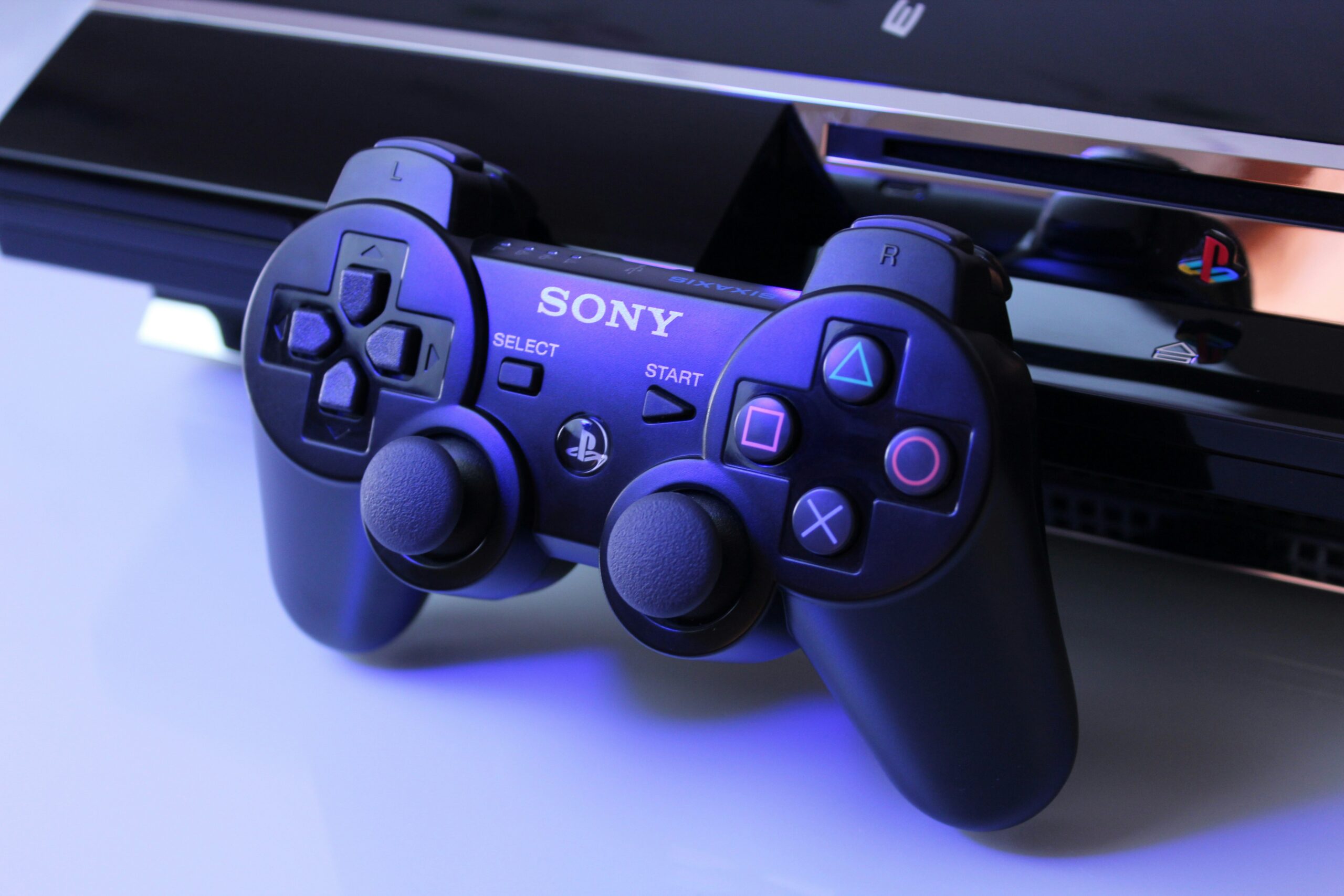
Thereafter, Sega released the Dreamcast in 1998 in an attempt to thrust ahead of Nintendo and Sony in the console industry. That was a console with a 128-bit architecture and a built-in modem for internet multiplayer. Sega’s Dreamcast had a strong launch when it was primarily competing with the less advanced N64 and Sony PlayStation consoles. However, the release of the PlayStation 2, which boasted DVD multimedia support, killed off the Dreamcast. Sega announced its withdrawal from the console industry in 2001 due to piling debts.
Thus, the Sega vs Nintendo golden age of console gaming ended with Sega waving the white flag in the hardware business. However, Sega’s eventual defeat was more due to the rise of the PlayStation than Nintendo’s N64 and GameCube consoles. Sega had competed valiantly against the Nintendo gaming juggernaut for more than a decade and effectively broke the big N’s stranglehold on North America. Although Nintendo ultimately won the war against Sega, it faced a huge threat from Sony thereafter, which the big N has been battling against ever since.















You must be logged in to post a comment Login